Minimal Sedation
Minimal Sedation Dentistry is a safe and effective way to help patients feel calm and relaxed during dental treatment while remaining awake and responsive.
What Is Minimal Sedation?
It uses mild sedative medication to reduce:
- Dental anxiety or fear
- Nervousness during procedures
- Sensitivity to sounds, smells, or injections
- Gag reflex discomfort
Patients usually stay conscious but feel deeply relaxed throughout the appointment.
Common Types of Minimal Sedation
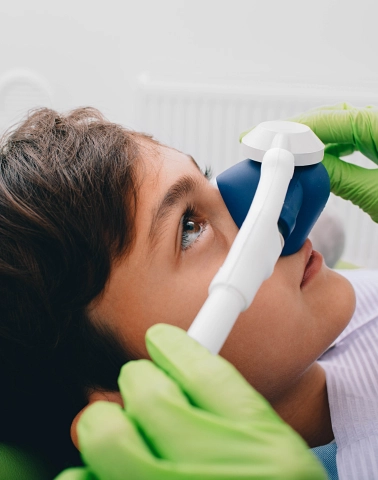
- Nitrous Oxide (Laughing Gas) – inhaled through a mask for quick relaxation
- Oral Sedation – a prescribed pill taken before the appointment
- Mild IV Sedation – controlled relaxation through intravenous medication
Benefits
- Helps anxious patients feel comfortable
- Makes longer procedures easier
- Little to no memory of the treatment
- Faster and smoother dental visits
- Safe for most adults
Ideal For Patients Who:
- Have dental anxiety
- Need multiple procedures
- Have sensitive teeth
- Experience gag reflex issues
- Avoid dental visits due to fear
Recovery
Most patients recover quickly, though oral or IV sedation may require someone to drive them home afterward.
What Is Nitrous Oxide Sedation?
At our practice, we are happy to accommodate anxious patients. Our team uses nitrous oxide gas to ease your nerves & keep you calm while you undergo procedures. Nitrous oxide, also referred to as “laughing gas,” is a first-line treatment for dental anxiety that is safe, effective & has few side effects.
Nitrous oxide is not meant to knock you out. Instead, it will just relax you while the dentist works on your teeth. You will still be awake & able to respond to the dentist if they ask you any questions. Patients who receive nitrous oxide in the dental chair typically report feelings of comfort & wellbeing. You may also experience sleepiness, lightheadedness & a buzzing or tingling sensation in parts of your body.
Who Can Receive Nitrous Oxide Sedation?
While nitrous oxide is very safe, there are still some possible side effects. A few patients experience nausea or headaches from nitrous oxide. To avoid nausea, it is a good idea to avoiding eating for a couple hours before your procedure. If you begin to feel nausea, dizziness or any other bad feelings, tell the dentist right away & they will be able to quickly adjust the gas to a comfortable level. All in all, negative side effects from nitrous oxide sedation are neither severe nor common.
In some cases, nitrous oxide sedation may not be right for you. Women in the first trimester of pregnancy & individuals who suffer from COPD/emphysema should not receive nitrous oxide. Children can safely receive nitrous oxide for their dental treatments.
Nitrous Oxide Sedation Overview
- If you decide to have your dentist administer nitrous oxide, they will place a small mask over your nose that will emit a continuous stream of gas.
- After that, it is as simple as regular breathing!
- The mask will first deliver 100% oxygen & then gradually increase the dosage of nitrous oxide. You should feel the effects almost immediately.
- During the procedure, the dentist can adjust the amount of gas at any time if they think you are getting too much or not enough. Our staff will monitor you throughout your treatment to ensure you are safe & comfortable.
- When your treatment is finished & the gas is shut off, the effects will begin to disappear right away. It may take a few minutes to feel totally normal.
- Once the effects have completely worn off, you will be able to drive yourself home!
What Is Oral Sedation?
Patients who feel uncomfortable about their dental treatment can choose to receive oral sedation. This involves taking an anti-anxiety pill about an hour before your dental appointment begins. If you need extensive work done or have not been to a dentist in awhile, this may be a good option.
Oral sedation is not meant to knock you out. Instead, it will just relax you while the dentist works on your teeth. You will still be awake & able to respond to the dentist if they ask you any questions. Patients typically report feeling drowsy, carefree & generally “out of it.”
The medications used for oral sedation are called benzodiazepines. Doctors normally prescribe these drugs for anxiety & panic disorders, which makes them very useful for patients who experience fear in the dental chair.
Who Can Receive Oral Sedation?
Women who are nursing or pregnant should not receive oral sedation. Patients with heart, lung or liver diseases should consult with their dentist or primary care doctor before undergoing oral sedation.
Anxious & fearful children can also be given oral sedation. In addition to reducing your child’s discomfort, sedation can help establish a positive association with dental care. Children who receive oral sedation should be monitored for the rest of the day after their appointment & should refrain from participating in any physical activities such as sports.
Oral Sedation Overview
- Benzodiazepines may negatively interact with other medications. Be sure to let us know in advance about any prescriptions, over-the-counter products or dietary supplements you are taking. You must also avoid consuming alcohol before & after you receive oral sedation, because the combined sedative effects can be very dangerous.
- Before your appointment, we recommend that you refrain from eating anything or drinking any non-clear liquids for at least six hours. Eating shortly before you take the medication may reduce its effectiveness & can cause nausea.
- You may have trouble remembering all of your procedure, which some patients find to be a good thing. Our team will monitor your level of sedation as well as your vital signs to ensure your total comfort & safety.
- Once your treatment is finished, you will not be able to drive home. Benzodiazepines inhibit your judgment & coordination much like alcohol, so you will need someone to drive you to & from your appointment. It is normal to feel groggy & tired once the medication begins to wear off.
- You should refrain from driving or operating heavy machinery for at least 24 hours after receiving oral sedation.
Let us help you overcome your dental fears! Call us today to see if conscious sedation is right for you.