
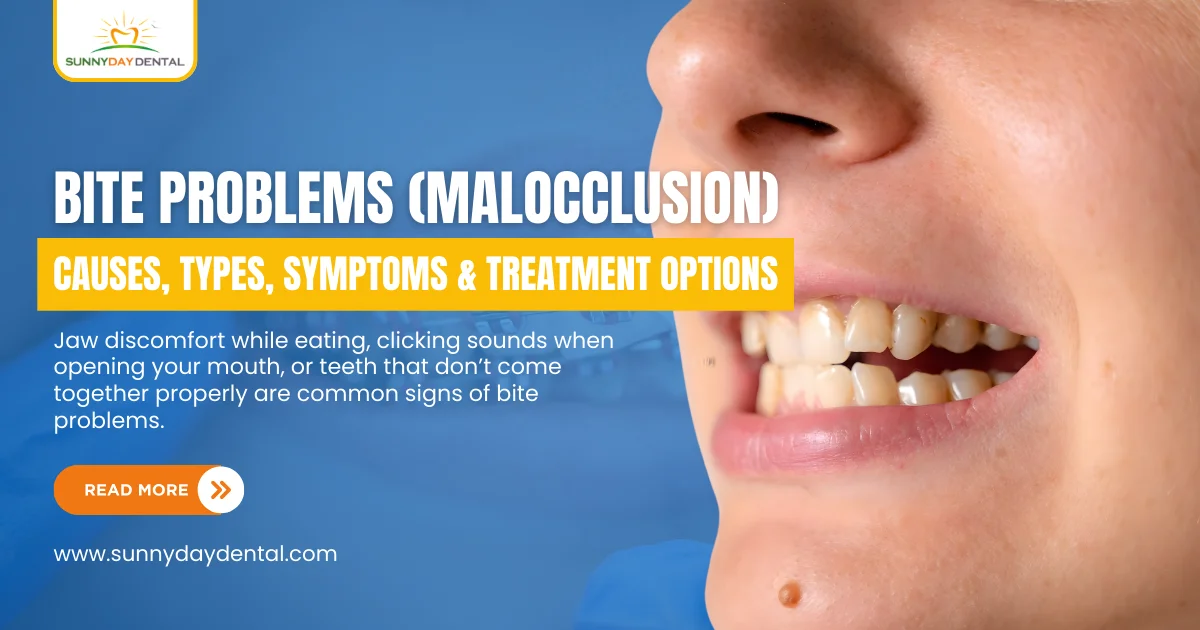
Jaw discomfort while eating, clicking sounds when opening your mouth, or teeth that don’t come together properly are common signs of bite problems. These concerns are often dismissed as minor, but they can signal deeper alignment issues that affect everyday function and long-term oral health.
Clinically known as malocclusion, bite problems are extremely common and affect people of all ages. More importantly, they are not just cosmetic. Poor bite alignment can influence how you chew, speak, breathe, and how your jaw joints function over time.
What Are Bite Problems and How Do They Develop?
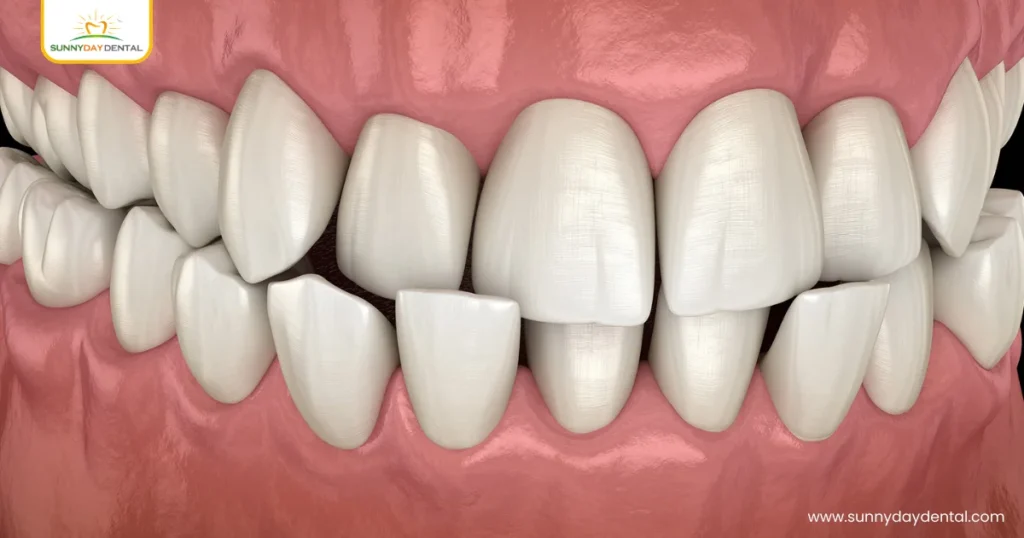
Bite problems occur when the upper and lower teeth do not align correctly when the mouth is closed. In a healthy bite, the upper teeth slightly overlap the lower teeth, and the molars fit together in a stable, balanced position.
When this balance is disrupted, it leads to bite misalignment, placing uneven stress on the teeth, jaw joints, muscles, and surrounding structures. Since these parts work together every time you chew, talk, or swallow, even small alignment issues can gradually cause discomfort or functional problems.
Can Bite Problems Correct Themselves Without Treatment?
A common question patients ask is whether bite problems can resolve on their own. In most cases, they do not.
Minor spacing in baby teeth may improve naturally, but alignment issues involving the jaw or permanent teeth usually persist or worsen with time. As growth slows, the jaw becomes less adaptable. Early evaluation often allows simpler correction, while adults can still achieve excellent results with appropriate treatment, though it may take longer.
6 Types of Bite Problems and How They Affect Oral Function
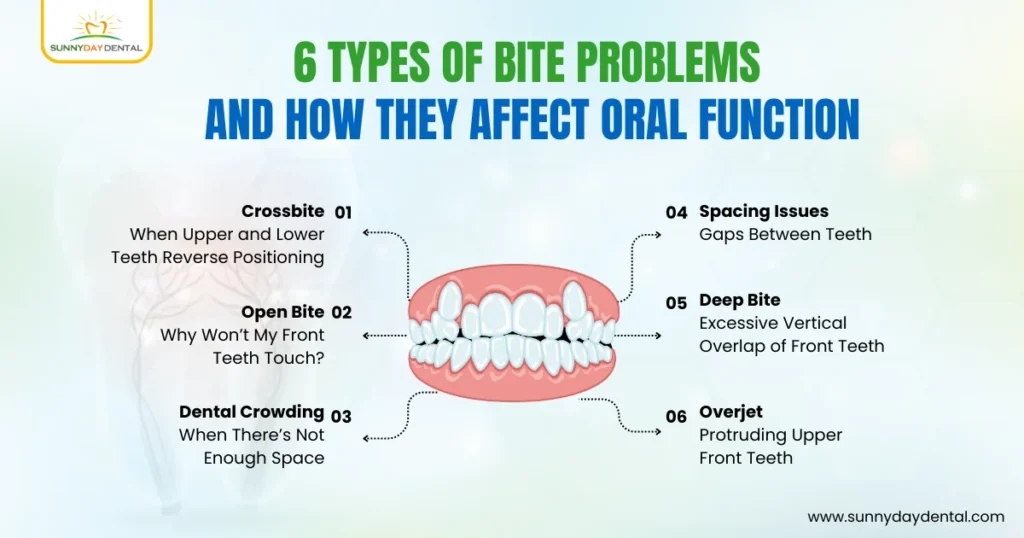
There are several types of bite problems, each affecting the teeth and jaw in different ways. Understanding the specific type helps guide treatment decisions and ensures long-term stability.
1. Crossbite: When Upper and Lower Teeth Reverse Positioning
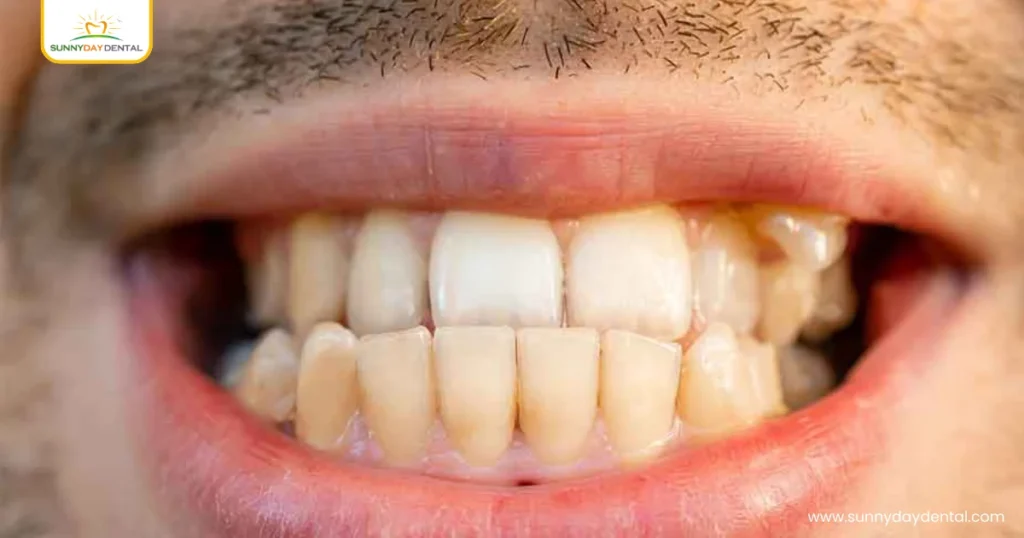
A crossbite occurs when one or more upper teeth bite inside the lower teeth instead of outside. This can affect the front teeth, back teeth, one side of the mouth, or both sides.
Common signs include:
- Jaw shifting during closure
- Uneven facial development in growing patients
- Jaw joint discomfort or clicking
- Increased enamel wear
- Gum recession in affected areas
Because crossbites place abnormal forces on the teeth and jaw joints, early assessment helps prevent progressive wear, joint strain, and facial imbalance.
2. Open Bite: Why Won’t My Front Teeth Touch?
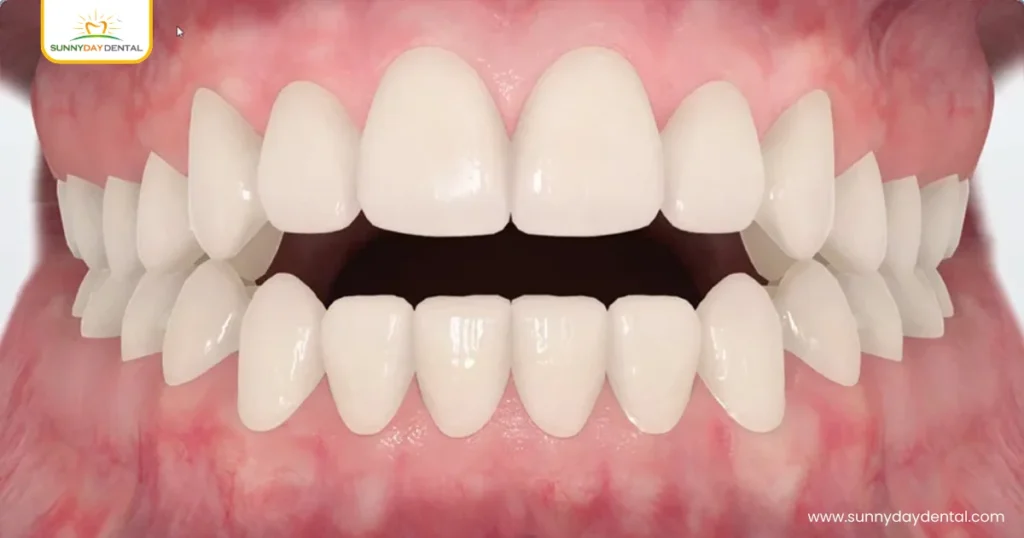
An open bite creates a visible gap between the upper and lower front teeth even when the back teeth are fully closed. This condition often interferes with daily activities such as eating and speaking.
Common signs include:
- Difficulty biting into food
- Tongue thrust during swallowing
- Speech challenges
- Mouth breathing
- Excessive vertical facial height
Correcting an open bite improves bite contact, reduces muscle strain, and supports healthier jaw function.
3. Dental Crowding: When There’s Not Enough Space
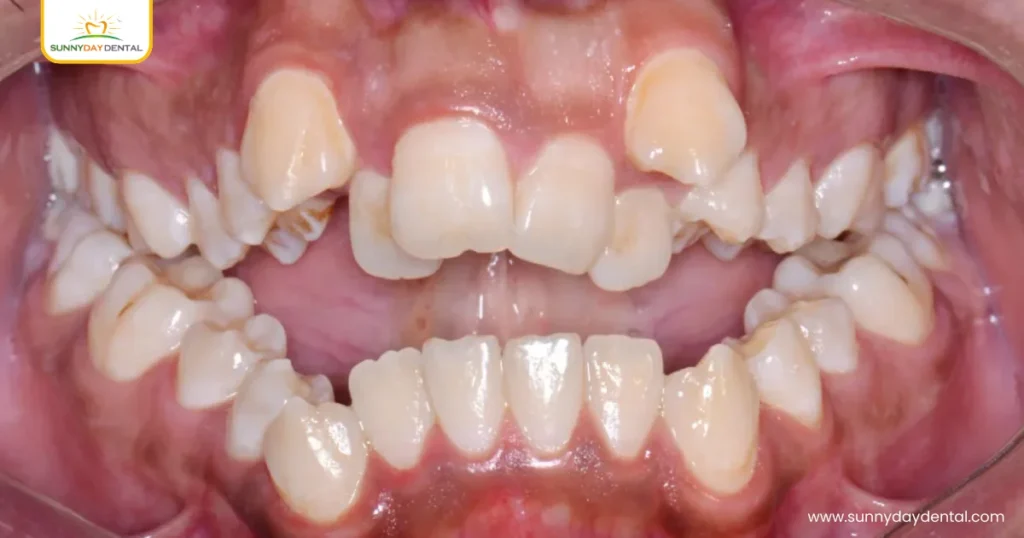
Dental crowding develops when the jaw does not have enough room to accommodate all the teeth in proper alignment. It is one of the most common forms of bite misalignment seen in both teens and adults.
Common signs include:
- Overlapping or rotated teeth
- Difficulty cleaning between teeth
- Higher risk of cavities
- Impacted teeth
- Smile-related confidence concerns
Treating crowding improves oral hygiene access and reduces the long-term risk of tooth decay and gum disease.
4. Spacing Issues: Gaps Between Teeth
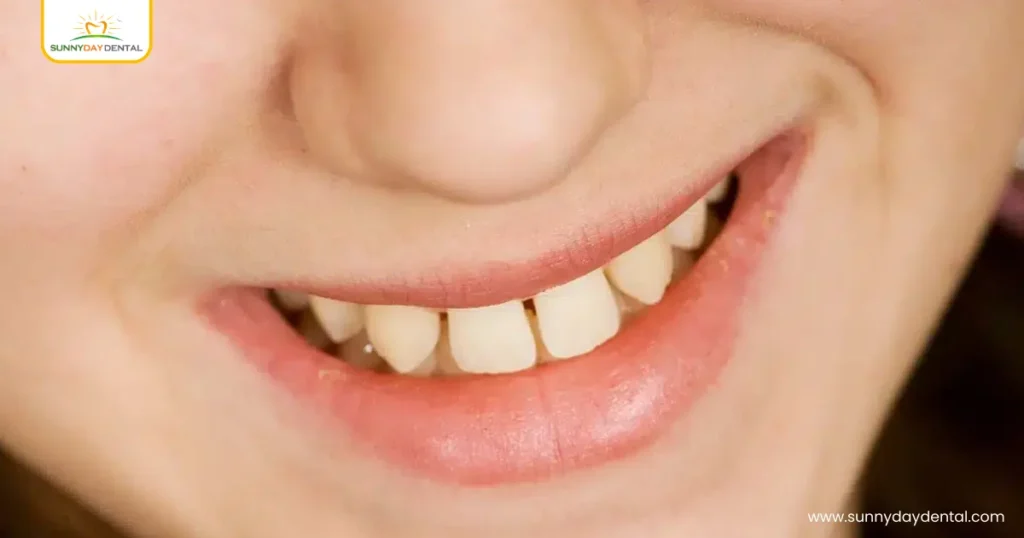
Spacing issues occur when there is excess space between teeth. While some spacing can be normal during development, persistent gaps often point to underlying causes.
Common signs include:
- Gaps between teeth
- Missing or undersized teeth
- Gum exposure between teeth
- Esthetic concerns
Proper evaluation helps determine whether spacing affects function, stability, or long-term oral health.
5. Deep Bite: Excessive Vertical Overlap of Front Teeth
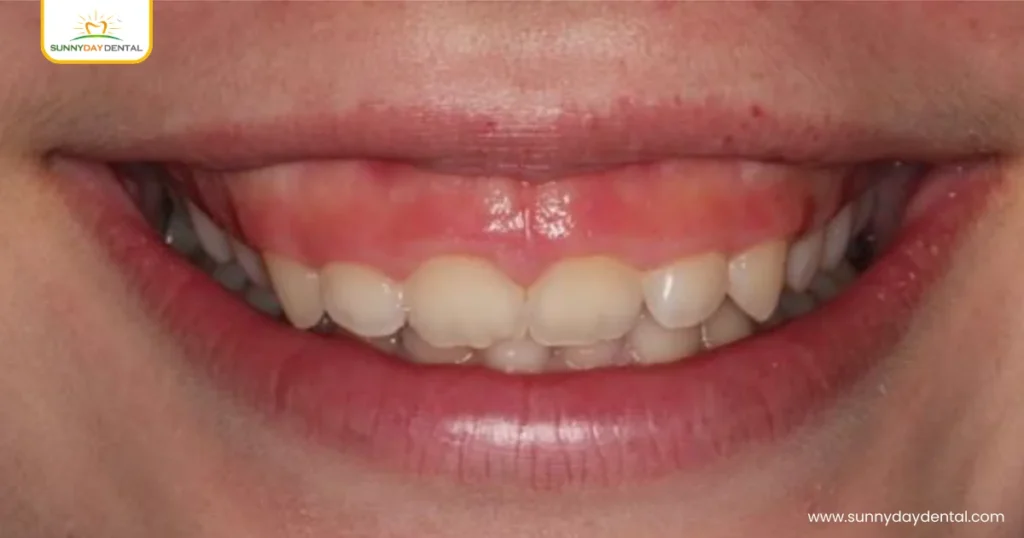
A deep bite occurs when the upper front teeth excessively overlap the lower teeth. This places increased pressure on the front teeth and surrounding tissues.
Common signs include:
- Palatal tissue irritation
- Accelerated tooth wear
- Jaw joint strain
- Muscle fatigue
- Higher fracture risk for front teeth
Correcting a deep bite helps redistribute bite forces and protects both teeth and jaw joints.
6. Overjet: Protruding Upper Front Teeth
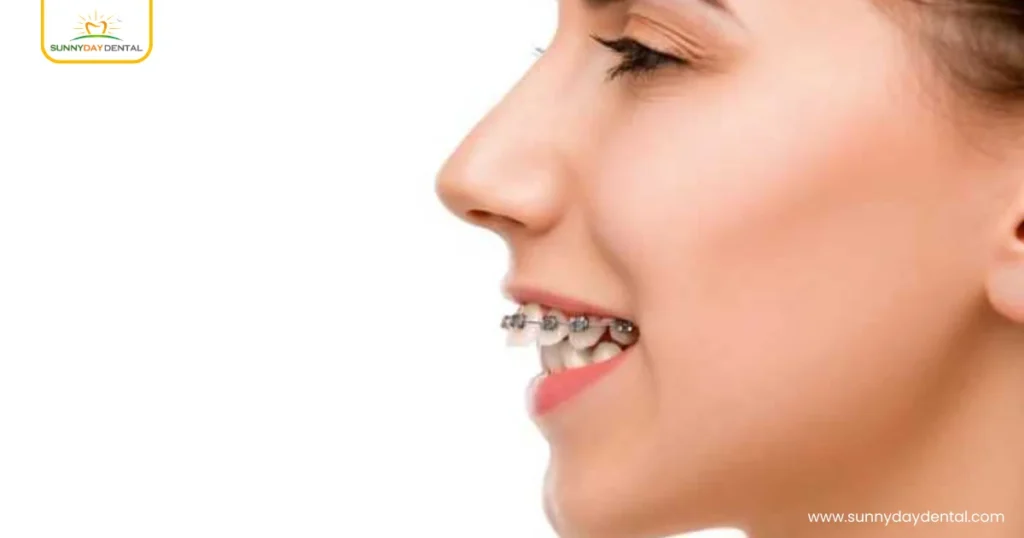
Overjet refers to the horizontal distance between the upper and lower front teeth. Excessive overjet increases the risk of trauma and functional difficulty.
Common signs include:
- Protruding front teeth
- Lip strain when closing the mouth
- Increased risk of tooth injury
- Speech difficulties
- Facial profile imbalance
Managing overjet improves bite stability, facial balance, and protection of the front teeth.
What Causes Bite Problems?
Bite problems usually develop from a combination of genetic, developmental, and lifestyle factors.
1. Genetic and Growth Factors
- Inherited jaw size and facial structure
- Tooth size discrepancies
- Skeletal growth patterns associated with malocclusion
2. Developmental Factors
- Early or delayed loss of baby teeth
- Abnormal eruption of permanent teeth
- Nutritional deficiencies affecting jaw development
3. Muscle and Habit-Related Factors
- Improper tongue posture
- Tongue thrusting
- Mouth breathing
- Excessive lip or cheek pressure
4. Lifestyle and Health Factors
- Soft modern diets
- Poor posture habits
- Jaw injuries
- Teeth grinding (bruxism)
Symptoms of Bite Problems (Malocclusion)
Bite problems do not always cause immediate or obvious pain, which is why many people live with them for years without realizing there is an underlying issue. Symptoms often develop gradually and may be mistaken for everyday jaw tension or routine dental discomfort.
Common symptoms include:
- Difficulty chewing or biting food evenly
- Uneven pressure or discomfort when closing the mouth
- Jaw pain, stiffness, or fatigue, especially after eating
- Clicking, popping, or grinding sounds in the jaw joints
- Frequent headaches or facial muscle tension
- Speech changes, such as lisping
- Mouth breathing, snoring, or disrupted sleep
If these symptoms persist or worsen, they may indicate underlying bite misalignment and should be professionally evaluated.
6 Best Treatment Options for Common Bite Problems (Malocclusion)
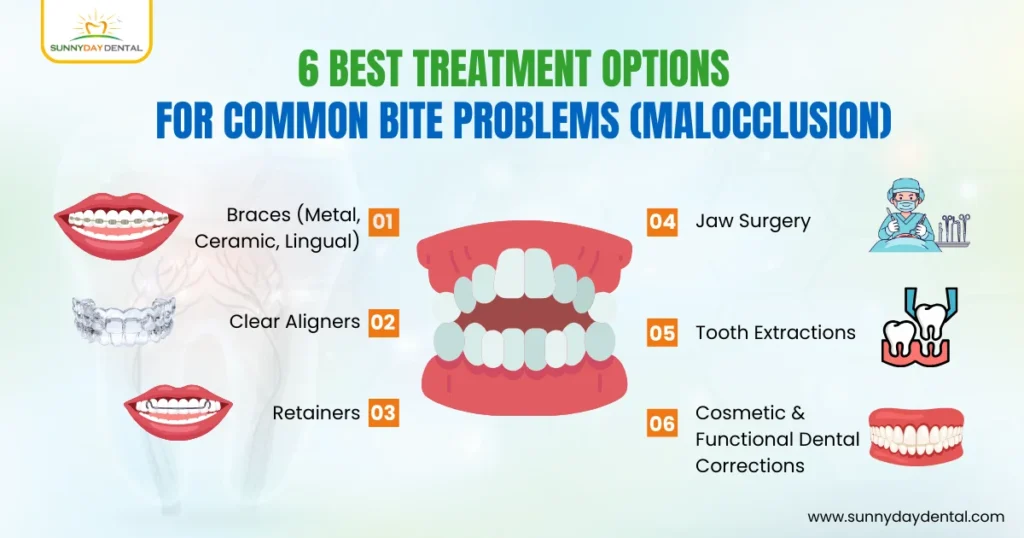
Treatment for bite problems (malocclusion) depends on several factors, including the type and severity of the misalignment, the patient’s age, and the underlying cause. Some bite problems are related only to tooth position, while others involve jaw structure or muscle habits. Modern dentistry offers multiple treatment options focused on restoring proper function, comfort, appearance, and long-term bite stability.
1. Braces (Metal, Ceramic, Lingual)
Braces are one of the most reliable and widely used treatments for correcting bite problems. They work by applying controlled, steady pressure to gradually move teeth and guide them into proper alignment.
Why they help:
- Correct tooth and bite alignment
- Improve chewing efficiency
- Distribute bite forces evenly
- Treat mild to severe malocclusion
2. Clear Aligners
Clear aligners use a series of custom-made, removable trays to gently shift teeth into their correct positions. They are especially popular among adults and teens who prefer a more discreet treatment option.
Why they help:
- Correct mild to moderate bite issues
- Removable for eating and cleaning
- More comfortable and discreet
- Support gradual, controlled tooth movement
3. Retainers
Retainers are used after active orthodontic treatment to maintain the corrected bite and tooth position. They play a critical role in long-term treatment success.
Why they help:
- Prevent teeth from shifting back
- Stabilize muscles and bite forces
- Protect long-term treatment results
4. Jaw Surgery
Jaw surgery may be recommended when bite problems are caused by skeletal imbalance rather than tooth position alone. This option is typically considered for more severe cases.
Why they help:
- Correct jaw alignment
- Improve facial symmetry
- Enhance chewing, speech, and breathing
- Reduce jaw joint stress
5. Tooth Extractions
In certain cases, removing specific teeth is necessary to create enough space for proper alignment and bite correction.
Why they help:
- Relieve severe crowding
- Allow remaining teeth to align correctly
- Improve overall bite balance
6. Cosmetic & Functional Dental Corrections
(Veneers, Crowns, Tooth Bonding)
These treatments focus on reshaping or restoring teeth when orthodontic correction alone is not sufficient to achieve proper bite contact or aesthetics.
Why they help:
- Improve tooth shape and alignment appearance
- Restore proper bite contact
- Protect damaged or worn teeth
- Enhance smile aesthetics
Why Bite Problems Should Not Be Ignored
When teeth and jaws do not align correctly, stress builds unevenly across the mouth. Over time, untreated malocclusion can lead to serious oral and functional concerns.
Potential consequences include:
- Higher risk of cavities and gum disease
- Premature tooth wear and fractures
- Jaw joint disorders and chronic pain
- Inefficient chewing and digestion
- Ongoing speech or breathing issues
- Facial imbalance
- Reduced overall quality of life
Early diagnosis allows treatment before these issues become more severe or permanent.
Expert Care for Malocclusion at Sunny Day Dental
At Sunny Day Dental, we take a comprehensive approach to diagnosing and treating bite problems. Every patient receives a thorough evaluation to identify the root cause of alignment concerns and determine the most appropriate treatment path.
If you are seeking an experienced orthodontist in Woodbridge, our team provides modern, evidence-based solutions focused on long-term function, comfort, and appearance. With patient-centered care and precise treatment planning, Sunny Day Dental helps restore proper bite alignment and confidence in your smile.
FAQs About Malocclusion
1. At what age should bite problems be evaluated?
Bite problems can be evaluated at almost any age, but an initial assessment is often recommended in childhood, usually around age 7. Early evaluation helps identify growth-related issues even if treatment is not started right away. Adults can also be assessed and treated successfully.
2. Do bite problems always require braces or aligners?
Not always. Some bite problems can be managed with retainers, habit-correction appliances, or minor restorative treatments. The treatment approach depends on whether the issue is caused by tooth position, jaw structure, or muscle habits.
3. Can bite problems affect jaw joints and headaches?
Yes. Poor bite alignment can place excess strain on the jaw joints and surrounding muscles. Over time, this may contribute to jaw discomfort, facial tension, or recurring headaches, even if tooth pain is not present.
4. How long does treatment for bite problems usually take?
Treatment time varies based on the complexity of the bite issue and the method used. Some cases may take several months, while more complex alignment or jaw-related problems may require longer-term care. A personalized treatment plan provides a clearer timeline.
5. Will bite problems return after treatment?
Bite problems can return if retention is not maintained. Wearing retainers as recommended and addressing contributing habits, such as mouth breathing or tongue posture, helps preserve long-term treatment results.